

The words “venomous” and “poisonous” are often used interchangeably, but they describe two completely different ways of being dangerous. Venomous animals actively inject their toxin into a victim — through a bite, a sting, or a spine — and need a delivery system to do it. Poisonous animals are dangerous passively: the toxin only takes effect if you touch or eat them. A scorpion is venomous. A poison dart frog is poisonous.
The standard way scientists compare venom potency is LD50 (lethal dose 50% — the amount that kills half of a test population, usually mice, scaled by body weight). It’s a precise, controlled number — but one measured in a lab, on a fixed dose, with no regard for how much venom an animal actually delivers in a real encounter.
So rather than rank purely by lab-based venom potency, we’ve researched five sourced facts on each of the 5 most venomous animals in the world. Every animal on this list earns its spot the venomous way — by injecting.
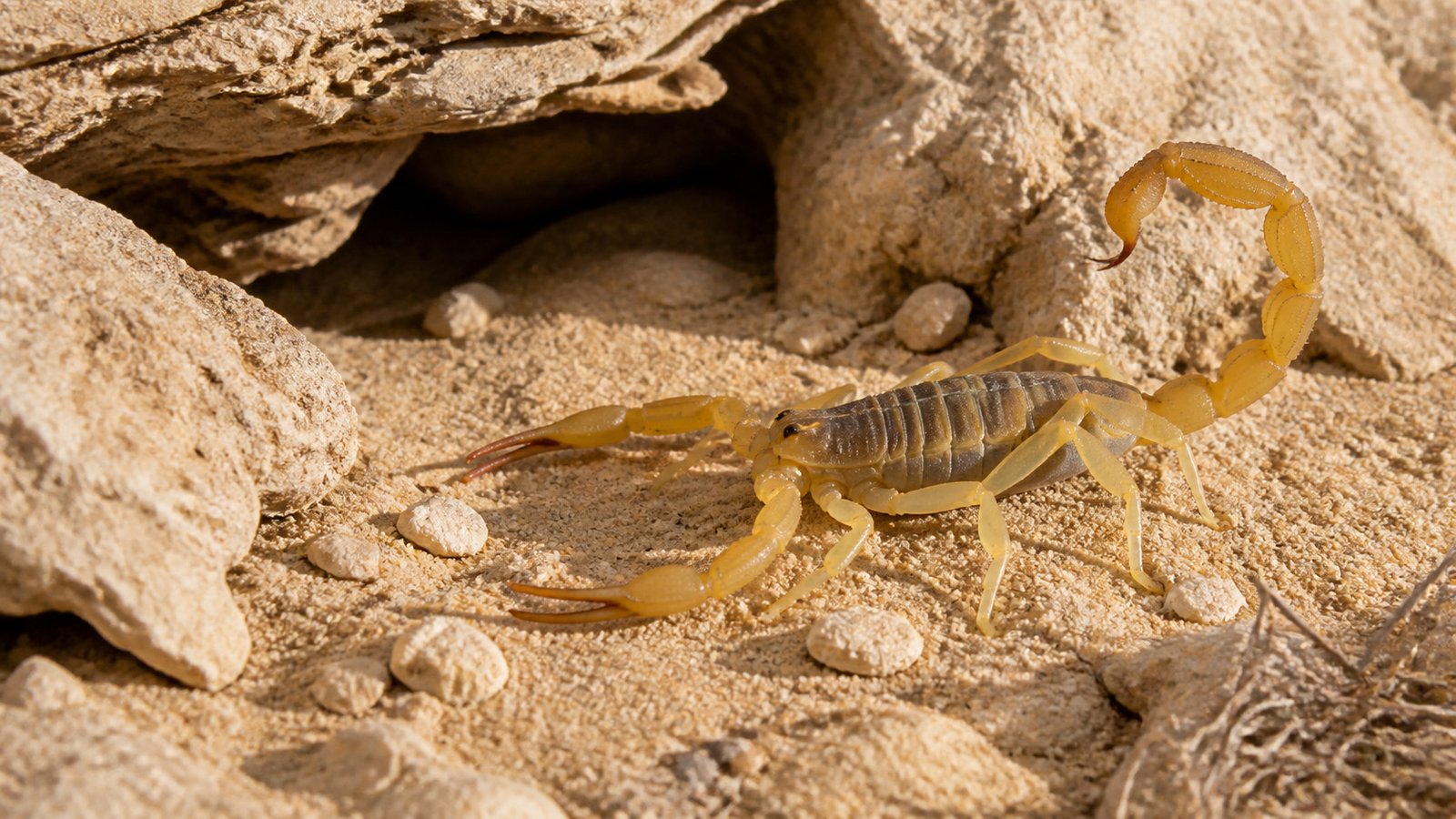
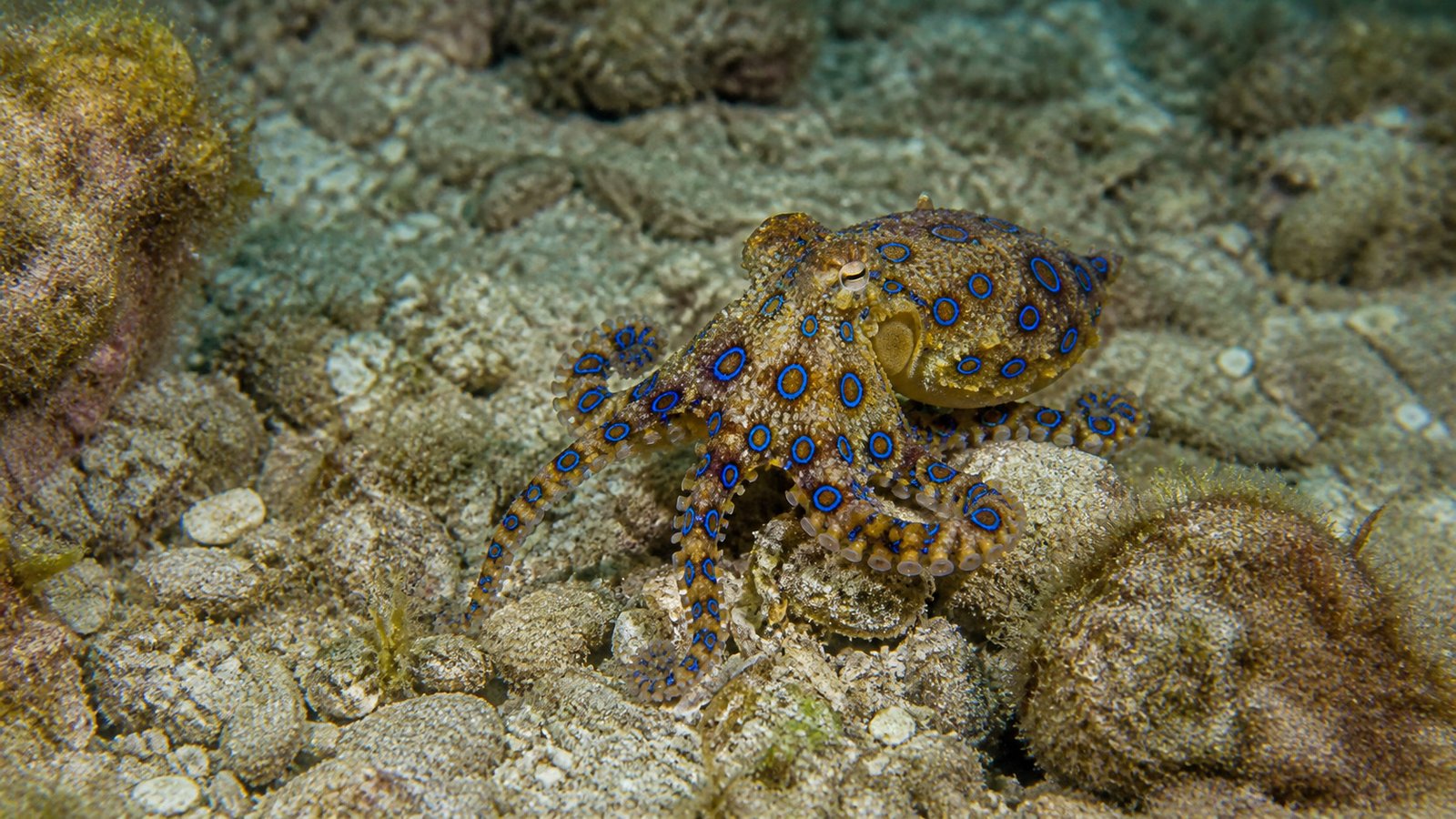
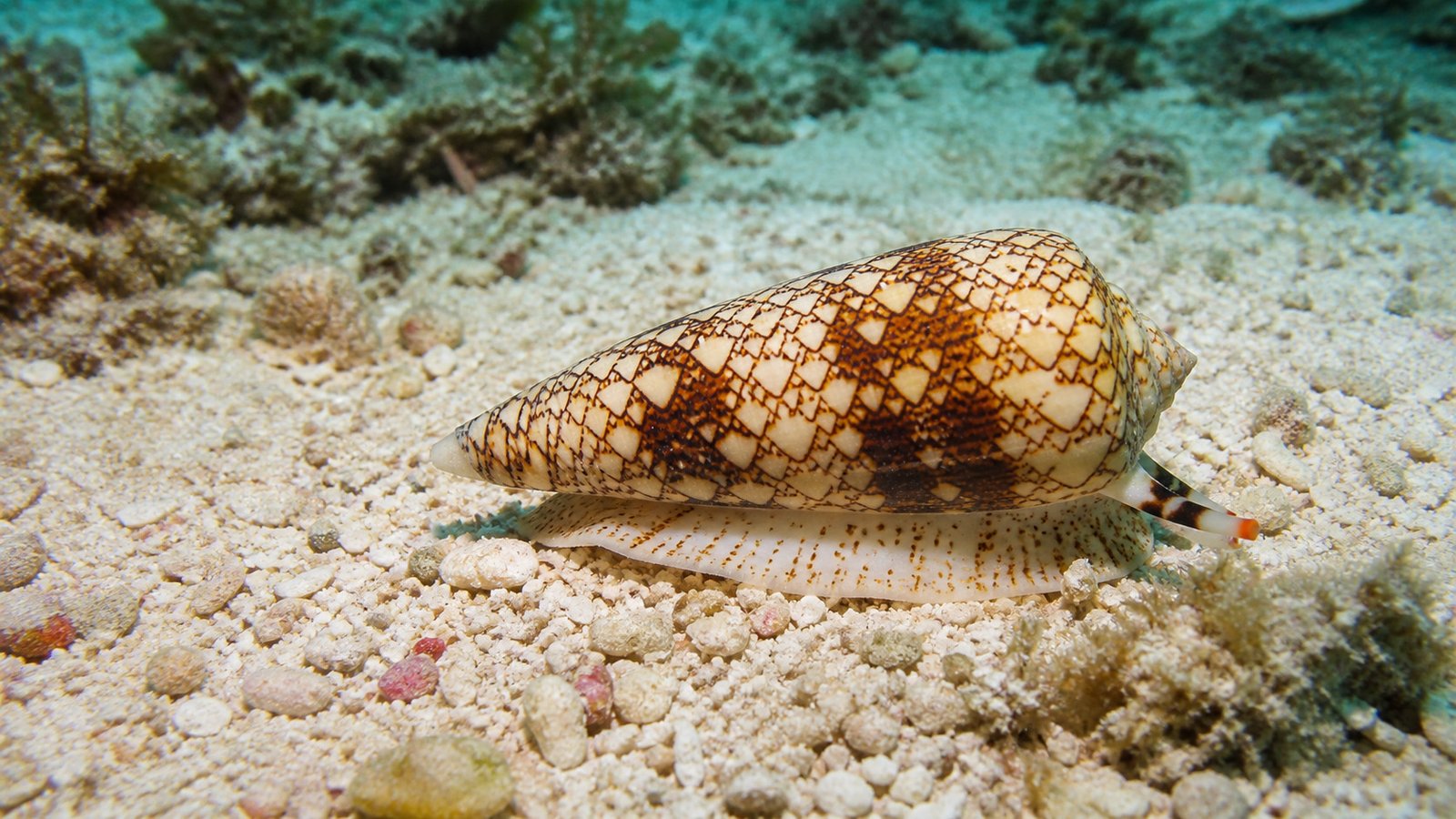
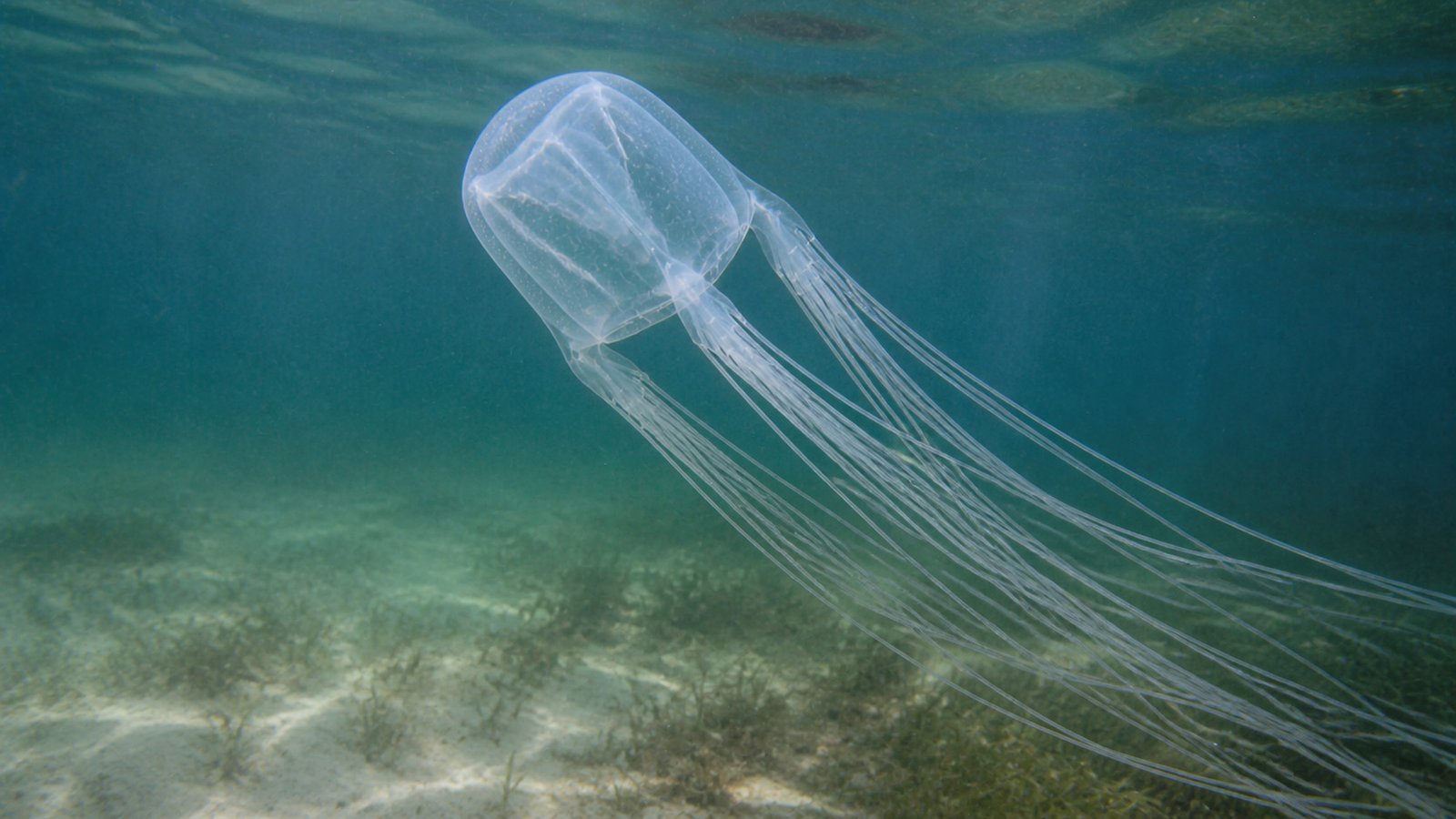
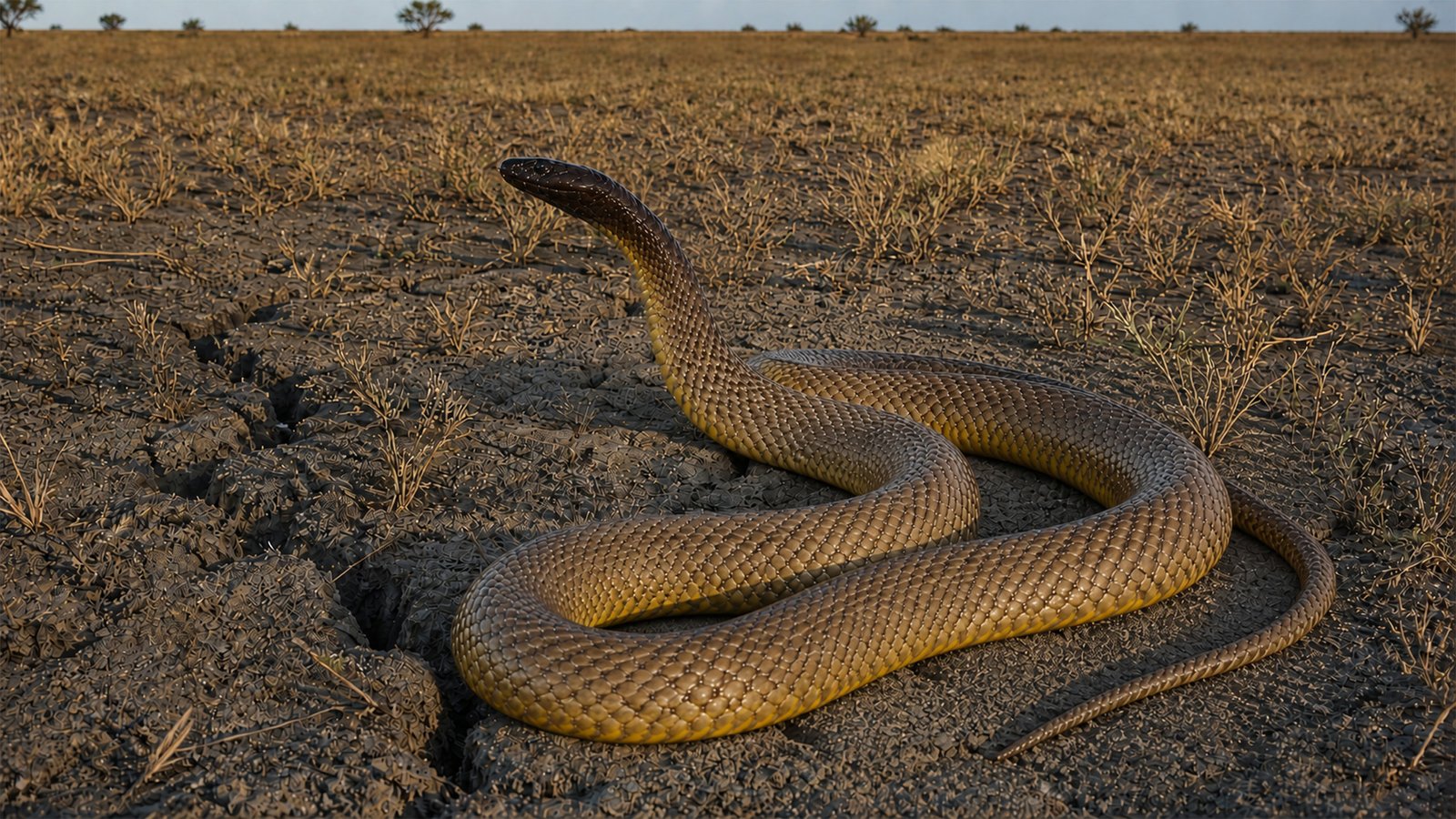
While the animals on this list are the most venomous in the world, none of them are out to harm humans. They’re rarely aggressive toward people, using their venom for survival — mainly to kill prey. They also play an important role in their ecosystems, and several have even proven valuable in medical research. That said, their venom potency is extremely high and can easily be lethal. Your best bet is to leave them alone and let them go about their lives.
New rankings, remarkable animals and sourced facts, delivered occasionally.
No spam. Just verified extremes.
Watch the countdowns. Read the evidence.
We start with a deceptively simple question and ends with a trail of credible sources