The Breakdown
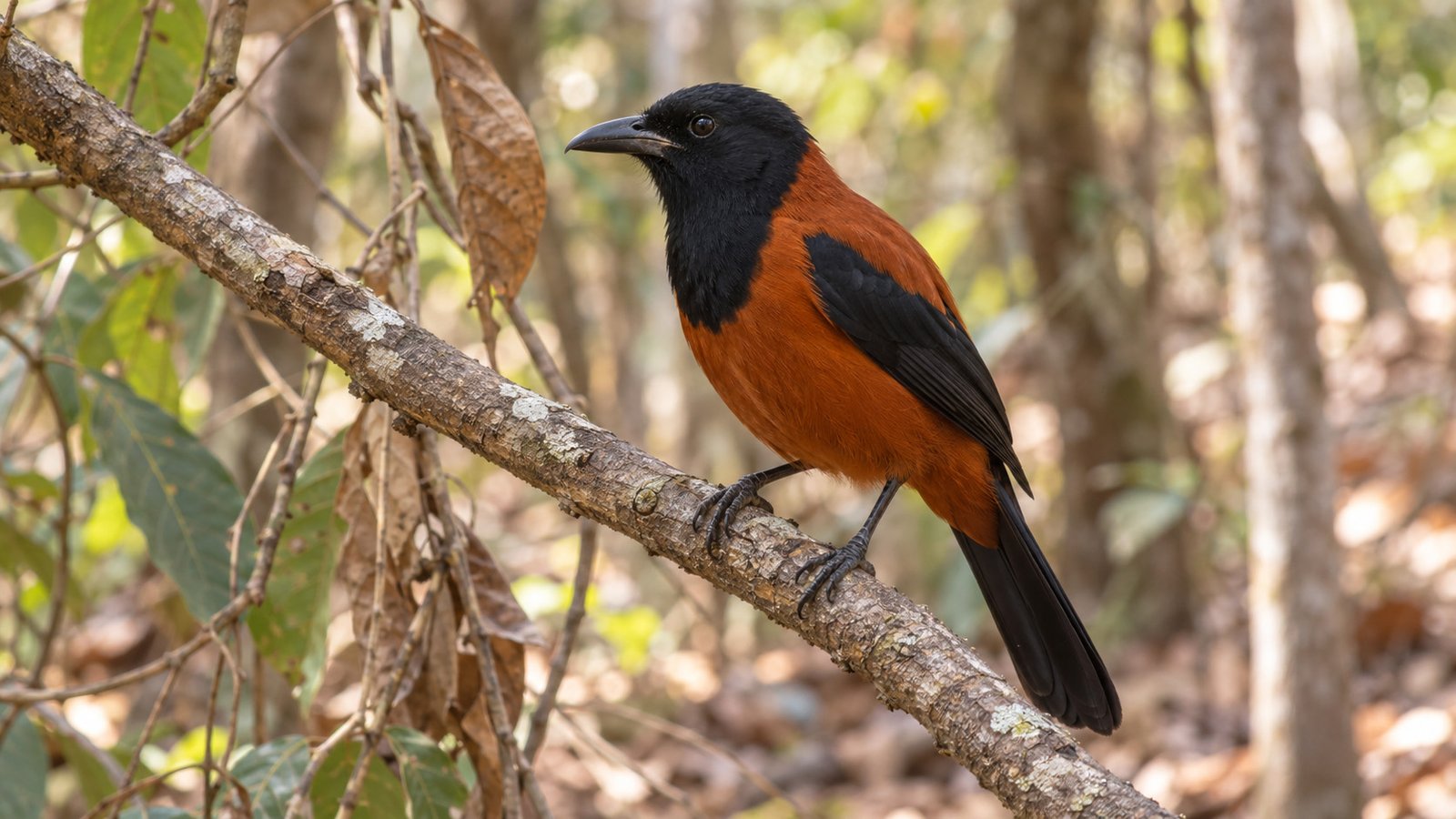
The Hooded Pitohui is native to the rainforests of New Guinea, spanning both Indonesia and Papua New Guinea. Its genus name, Pitohui, comes from a Papuan word meaning “rubbish bird”, a nod to its long-known inedibility. It is listed in the Guinness World Records as the most poisonous bird.
One scratch and a numb mouth revealed it carries batrachotoxin
Hooded Pitohuis were first discovered to carry batrachotoxin by ornithologist Jack Dumbacher. After pricking his finger on one of the bird’s feathers, he reflexively put his finger in his mouth to ease the pain. His mouth began to go numb and burn. Suspecting the bird was poisonous, he carried out extensive research and concluded that it carries the toxin in its feathers, skin, and internal organs.
Its own genus name literally means "rubbish bird" in Papuan
Poisonous birds are rare, but the Hooded Pitohui has been known to be toxic by the local people of New Guinea for centuries. Its genus name, Pitohui, is a Papuan term for “rubbish bird” or “garbage bird,” a reference to its foul smell and inedibility. Scientists have recorded it as the only bird that the natives would not eat.
Beetles in its diet are the suspected source of its poison
Like many poisonous animals, the Hooded Pitohui doesn’t appear to produce batrachotoxin itself. Choresine beetles have been found in its diet, and are suspected to be the source of its poison. Scientists believe the toxin protects the birds from natural enemies, including parasites, predators, and humans.
A still-undiscovered "toxin sponge" might be what keeps it from poisoning itself
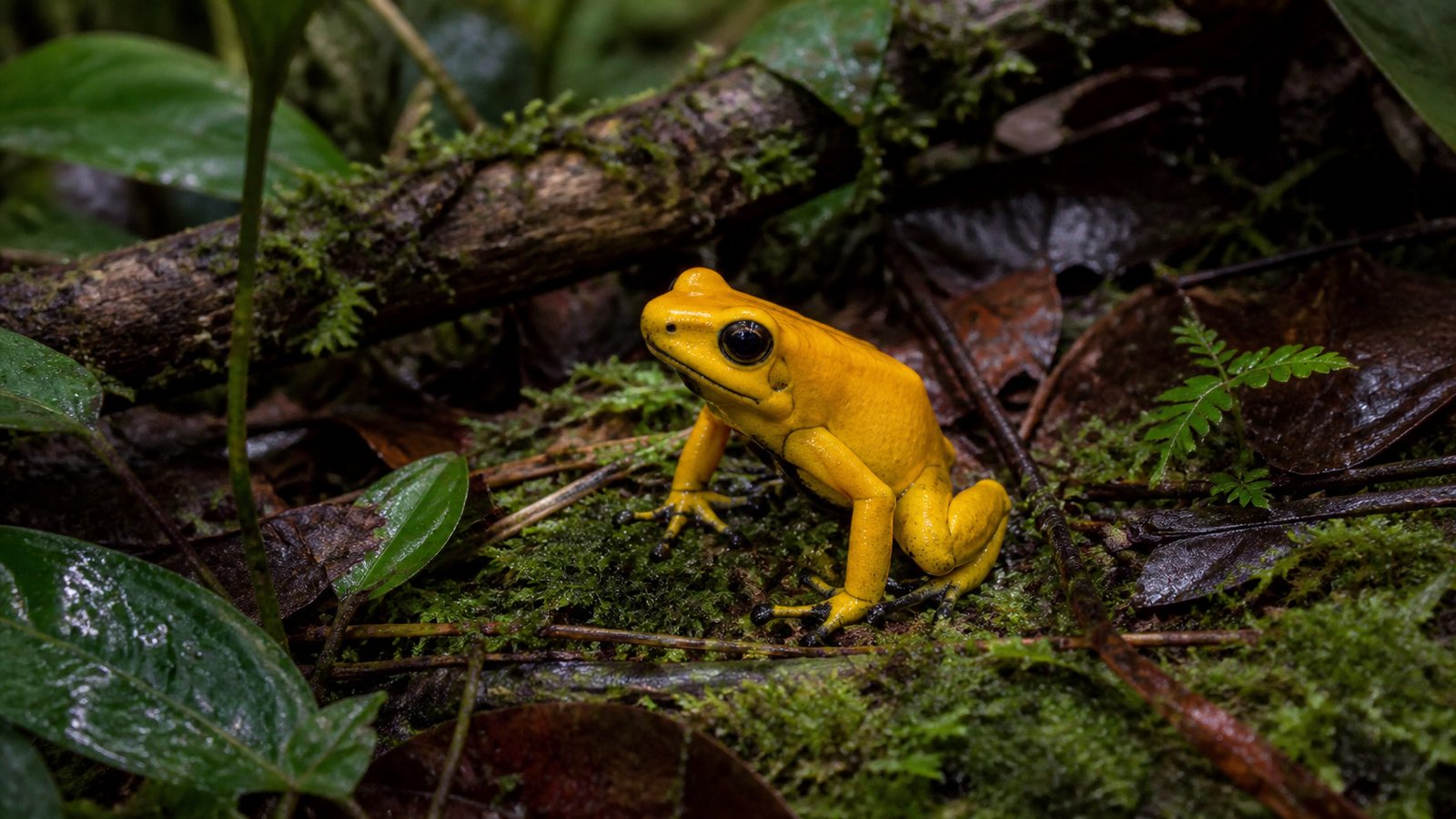
Scientists theorise that the Hooded Pitohui might carry an as-yet-undiscovered “toxin sponge” protein that absorbs batrachotoxin before it can affect the bird, similar in concept to a protein already found in bullfrogs that shields them from a different toxin. Discoveries like these matter because toxin research has historically led to medical breakthroughs, including anti-cancer compounds derived from bullfrog poison and new anaesthetics developed from tetrodotoxin.
Its skin carries enough toxin to kill several hundred mice
A Hooded Pitohui carries up to 20 micrograms of homobatrachotoxin in its skin alone, plus a further 2 to 3 micrograms in its feathers. In lab tests, just 0.05 micrograms of the toxin was enough to kill a mouse within 18 to 19 minutes — meaning the toxin stored in one bird’s skin could be lethal to several hundred mice.
Profile
COMMON NAME: Hooded Pitohui
SCIENTIFIC NAME: Pitohui dichrous
HABITAT: Rainforest, forest edge, and secondary growth, occasionally mangroves; most common in hills and low mountains
COUNTRIES: New Guinea — Indonesia (Papua and West Papua provinces) and Papua New Guinea, including Yapen Island
SIZE: 22 to 23 cm
WEIGHT: 65 to 76 g
DIET: Fruits (particularly figs), grass seeds, and invertebrates such as beetles, spiders, and caterpillars
LIFESPAN: Unknown; generation length estimated at 7.9 years