The Breakdown
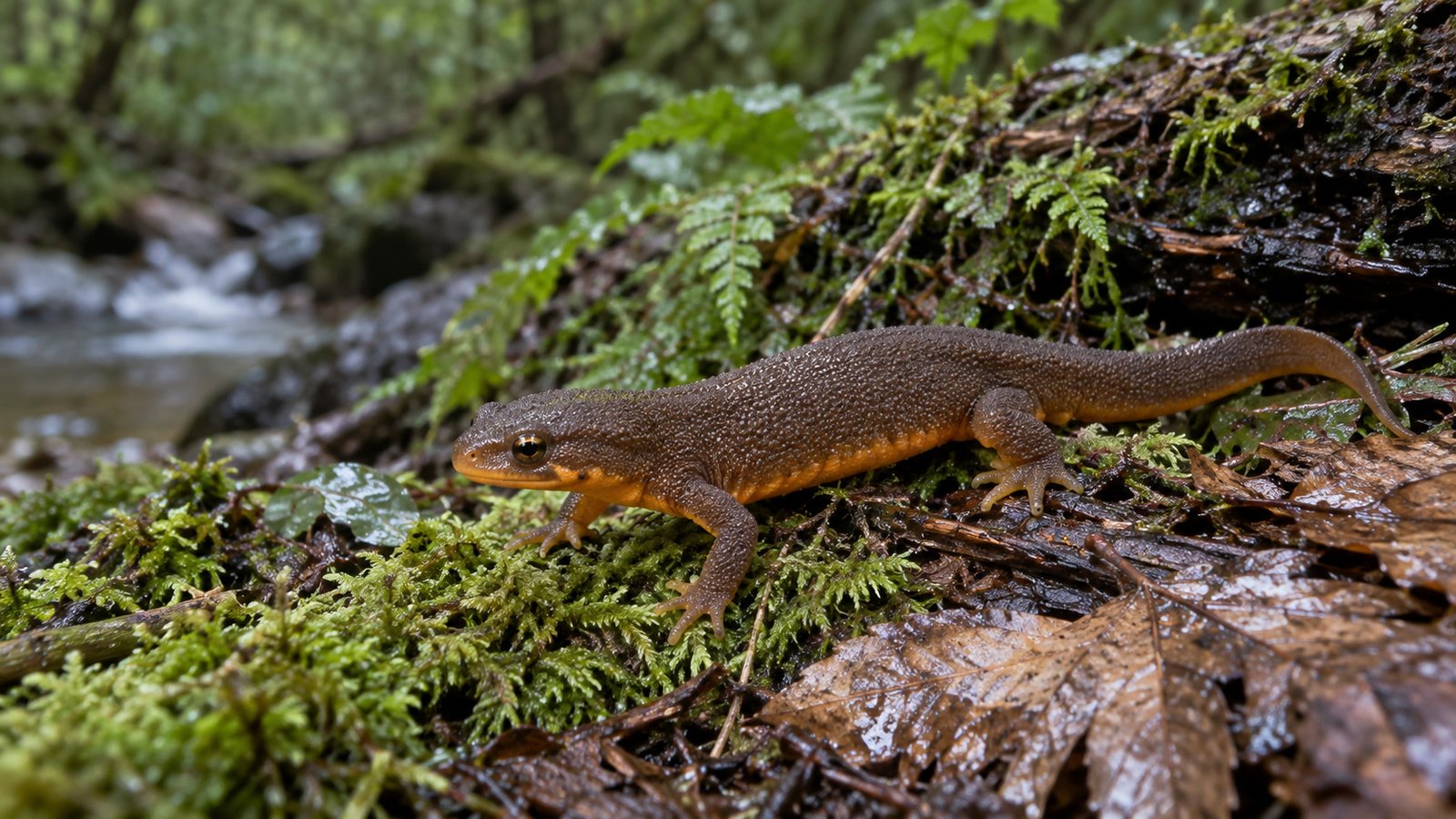
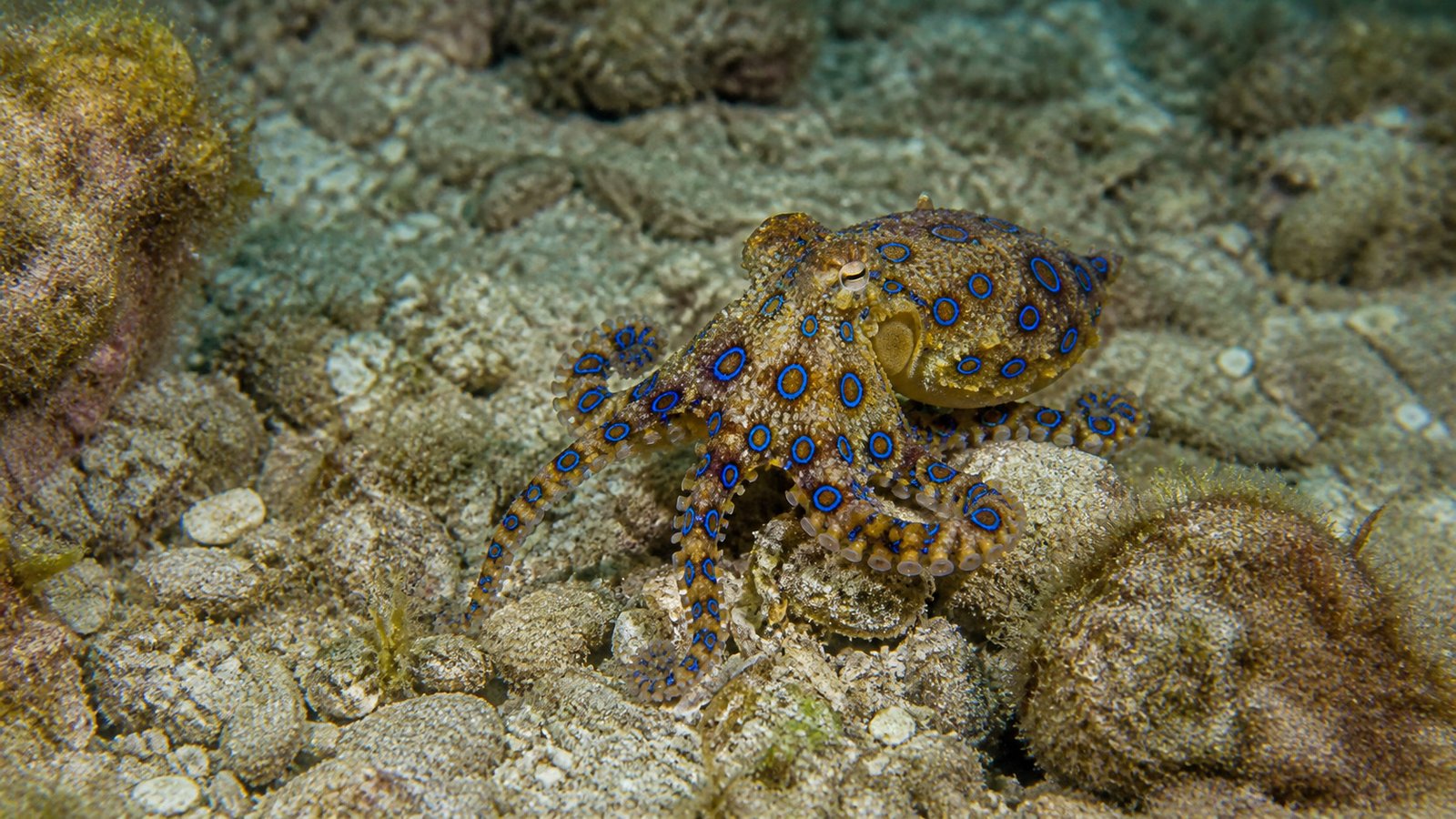
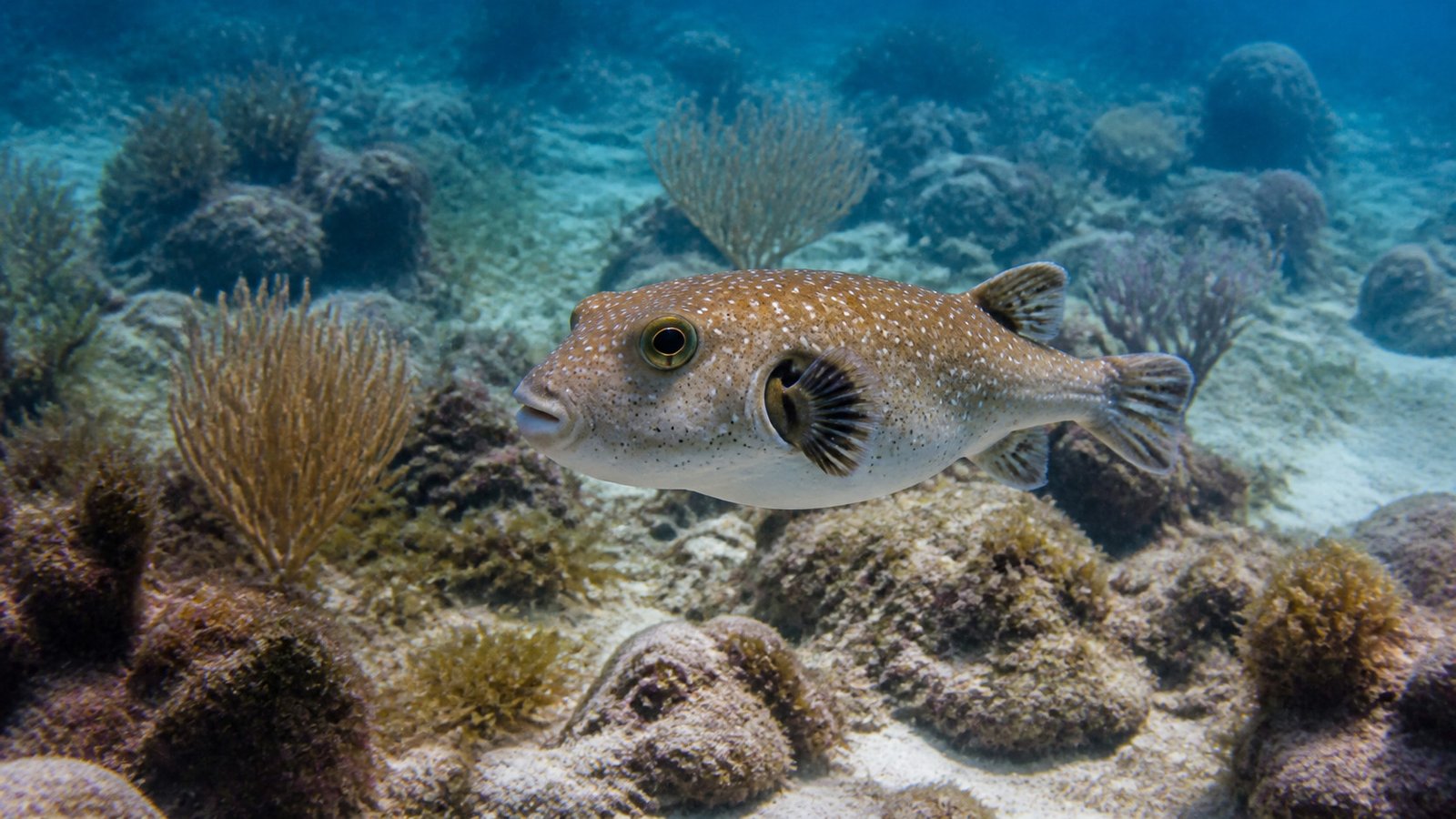
The Rough-Skinned Newt is one of three Pacific newt species found along North America’s West Coast. Like other members of the genus Taricha, it produces tetrodotoxin (TTX) in its skin — the same nerve poison found in pufferfish and blue-ringed octopuses.
An unsolved mystery involving a coffee pot led scientists to study its deadly poison
The formal research into the Rough-Skinned Newt’s poison began in the 1960s, after biologist Edmund “Butch” Brodie Jr. was intrigued by the tale of three hunters found dead around a campfire. The mystery was that they had no signs of injury and nothing had been stolen. The only clue was a newt found curled up inside their coffee pot — suggesting it might have poisoned them.
Locked in an evolutionary arms race to keep making its poison stronger
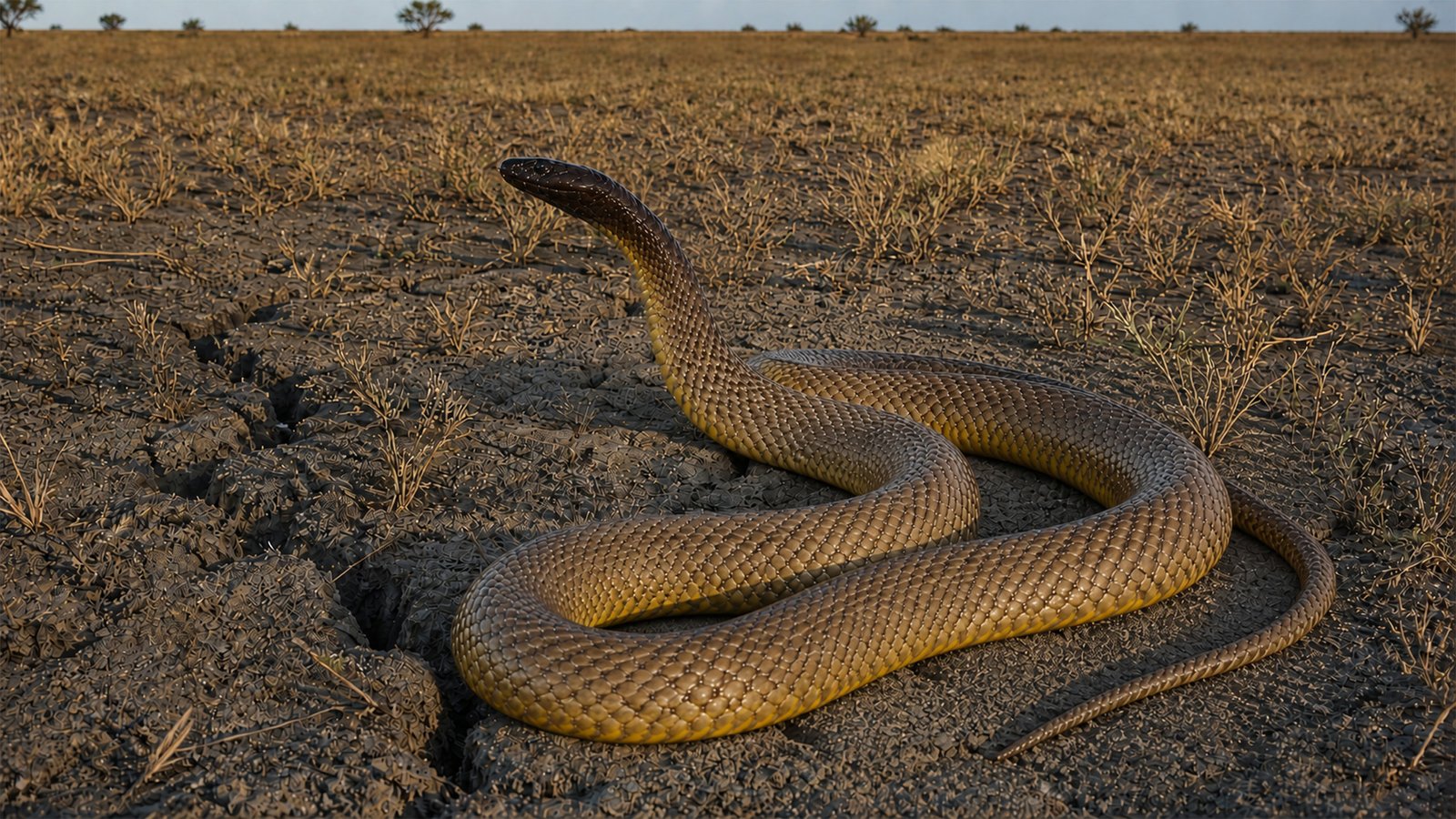
Common garter snakes are the newt’s main predator, and the two species are locked in a coevolutionary arms race. As the snakes build greater resistance to the toxin, the newts are driven to produce even more potent toxin, enough in some populations to kill thousands of mice, which in turn pushes the snakes toward even greater resistance, with each side escalating in response to the other over generations.
Bacteria living on its skin help make its deadly poison
Research has found that the Rough-Skinned Newt doesn’t produce its tetrodotoxin (TTX) itself — it’s produced by bacteria living on its skin. The same kind of toxin-producing partnership with bacteria is also seen in pufferfish and blue-ringed octopuses. Like its predator, the garter snake, the newt has evolved to become resistant to the effects of TTX.
Its toxin causes numbness, full-body paralysis, and respiratory failure
If ingested, the Rough-Skinned Newt’s tetrodotoxin (TTX) blocks the nerve signals muscles need to function, starting with numbness around the mouth and progressing to slurred speech and muscle weakness. In severe cases, it can cause full-body paralysis and respiratory failure. There is no known antidote, and treatment is limited to supportive care, such as helping the patient breathe, until the toxin clears the body.
A single newt carries enough toxin to kill 19 adults
The Rough-Skinned Newt belongs to a group known as the Pacific newts, which are recognised by Guinness World Records as the world’s most poisonous newts. The Rough-Skinned Newt itself can carry up to 14 mg of tetrodotoxin (TTX), and its LD50 (lethal dose 50% — the amount that kills half of test subjects) in humans is just 10.2 micrograms per kilogram of body weight. That means a single newt carries enough toxin to kill around 19 average-sized adults.
Profile
COMMON NAME: Rough-Skinned Newt
SCIENTIFIC NAME: Taricha granulosa
HABITAT: Ponds, lakes, and slow-moving streams for breeding; forested hills and woodlands on land, sheltering under logs, rocks, and leaf litter
COUNTRIES: Pacific coast of North America — the United States (California to Alaska) and Canada (British Columbia), with isolated introduced populations in Idaho and Montana
SIZE: 12.7 to 21.6 cm
WEIGHT: Up to 12 g
DIET: Insects, mollusks, worms, and other small invertebrates; larvae eat zooplankton and small aquatic invertebrates
LIFESPAN: Up to 18 years